April 2025 Reading Superlatives
Posted on 5th May, 2025
Looking at the five books I have most enjoyed reading in April, I am interested to see that four of them are set in the past: one in ancient Greece, and three in the twentieth century. First, however, let’s look at a novella which plays with time.
Most Intriguing Speculative Novella
In Solvej Balle’s On the Calculation of Volume: Book One a woman in France finds herself endlessly reliving one day in November. This is a literary treatment of the ‘Groundhog Day’ plot, and it was longlisted for this year’s International Booker Prize. I found it enthralling, and it made me think a lot about how you would try to cope in such a challenging situation. I liked, for example, the practical details of obtaining food and choosing where to live. It’s also good on relationships, and how you can, or cannot, maintain them in these difficult circumstances.

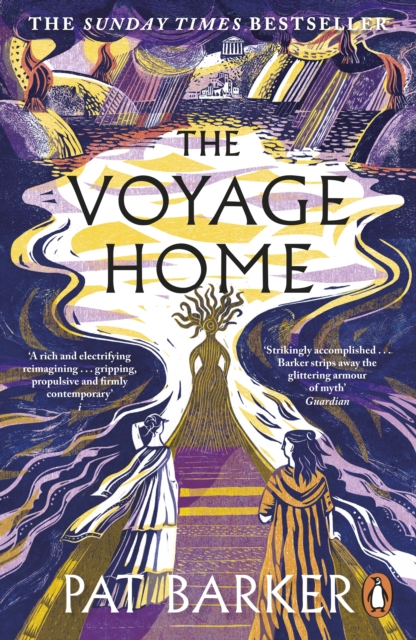
I loved Pat Barker’s The Voyage Home which takes place in ancient Greece after the fall of Troy. It focuses on the experiences of Cassandra’s maid, Ritsa, but we also see events from the perspective of Clytemnestra who is waiting to take her revenge on her husband, Agamemnon, when he returns. There are obviously many tragic elements, but also some hope and much kindness. It is the third in Barker’s Women of Troy series, but I do not think that you need to have read the previous books to appreciate this one.
Best Historical Crime Novel
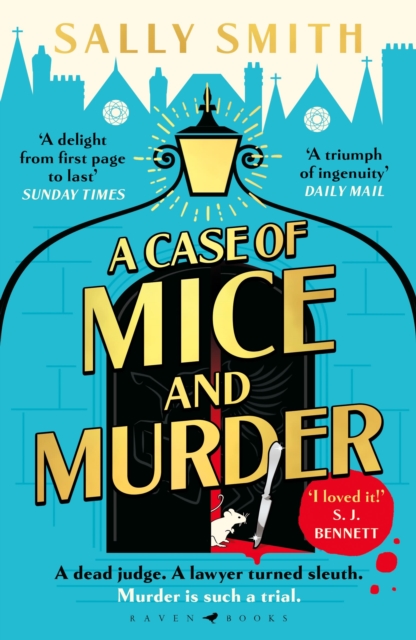
Moving centuries forward, Sally Smith’s A Case of Mice and Murderis set in 1901 with barrister Gabriel Ward investigating the murder of the Lord Chief Justice. I found Gabriel very appealing, and I enjoyed watching the way in which he developed as he moved away from his normal secluded existence in the Inner Temple. There are some other excellent characters as well. The sub-plot about the question of who has written a bestselling children’s book is also fascinating. I could not put this down.
Best Classic Crime Reprint
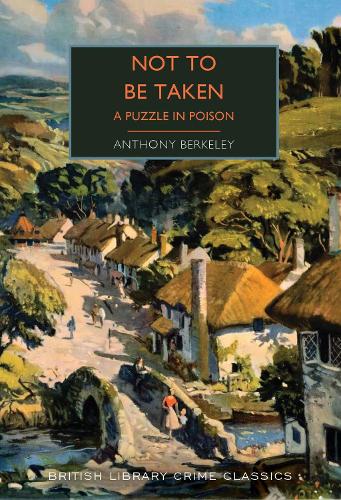
We now turn to a crime novel that was actually written in the 1930s. Anthony Berkeley’s Not to Be Takenwas originally serialised in 1937-8, and readers were encouraged to take part in a competition to guess the murderer. I greatly enjoyed this mystery which is set in a village and narrated by a friend of the victim. The narrator’s comments on the problems of finding yourself in such strange circumstances add to the book’s interest. There are some good characters, and I generally really liked it.
Best Non-Fiction Book about History
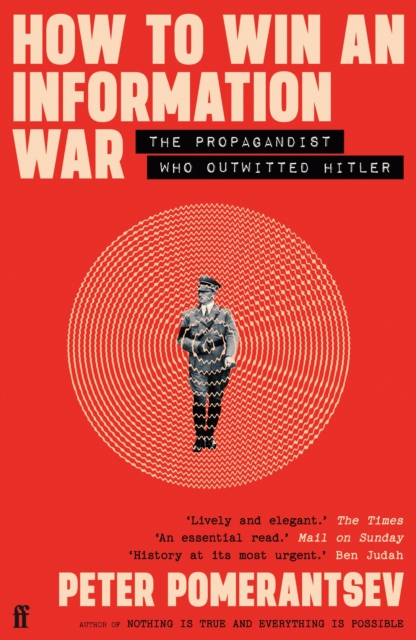
Peter Pomerantsev’s How to Win an Information War: The Propagandist Who Outwitted Hitlerlooks at the British propaganda carried out by Sefton Delmer, and how he tried to subvert German propaganda. His efforts included providing facts about what was really happening, and, conversely, creating stories which were so absurd that it was hoped that they would encourage people to question what they were being told by the Germans. I was fascinated to learn about the production of fake radio programmes which claimed to be made by the Germans. Throughout the book, Pomerantsev makes valuable points as he considers both what is effective, and what is ethical. He also looks at how propaganda continues to be used; focusing on Russia’s efforts with Ukraine. This is a thought-provoking book.
I hope your reading is going well, and, as ever, do ask if you want any more recommendations.
(If you are interested in any of the books on this recommendations list, just give us an email and we’ll order them in for you!)